Paver Driveways vs. Concrete Driveways: Which Option Lasts Longer
People searching for paver driveway installation can find local contractors who can help choose and install durable options that last longer than concrete driveways.
When considering driveway options, property owners often weigh durability and longevity to make the best choice for their homes. Paver driveways and concrete driveways each have their unique advantages, and understanding which lasts longer can influence long-term maintenance and replacement decisions. For those in the area exploring these options, knowing how local contractors approach installation and material quality can provide valuable insights into achieving a driveway that withstands the test of time.
This comparison is especially relevant for property owners seeking a driveway that balances aesthetic appeal with lasting performance. Local service providers specializing in driveway installations can offer guidance tailored to the specific demands of the local climate and soil conditions. Whether leaning toward the classic look of concrete or the versatile charm of pavers, property owners can find experienced professionals ready to help ensure their driveway remains durable and attractive for years to come. Keep reading to discover practical insights into the longevity of paver versus concrete driveways and how local experts can assist in making the right choice.
- Paver driveways installation - homeowners considering durability and appearance often turn to local contractors who specialize in paver installation for long-lasting, customizable results.
- Concrete driveway installation - those seeking a cost-effective, low-maintenance option frequently work with local service providers experienced in pouring and finishing concrete surfaces.
- Paver driveways vs. concrete driveways: which option lasts longer - local pros can assess environmental factors and usage patterns to recommend the most durable choice for each property.
- Paver driveways installation - clients interested in easy repairs and replacements often choose local contractors skilled in replacing individual pavers without disrupting the entire driveway.
- Concrete driveway installation - property owners wanting a smooth, uniform surface that withstands heavy loads may find local experts well-equipped to deliver a resilient concrete driveway.
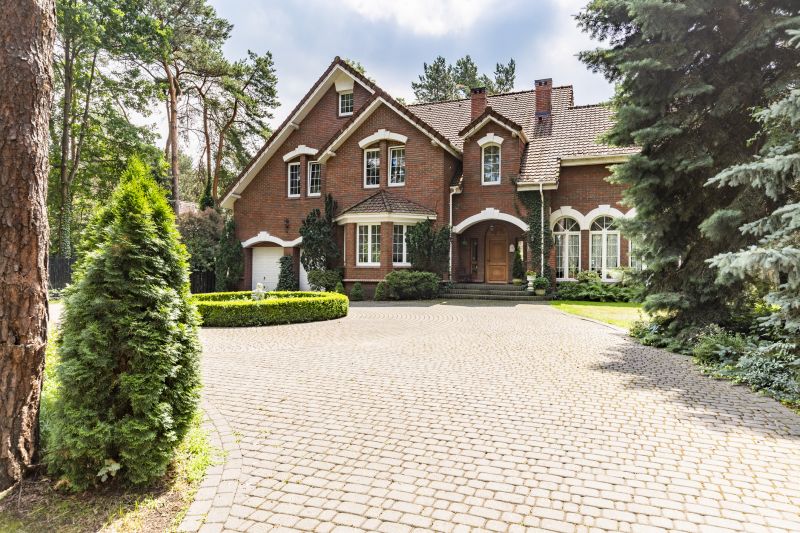
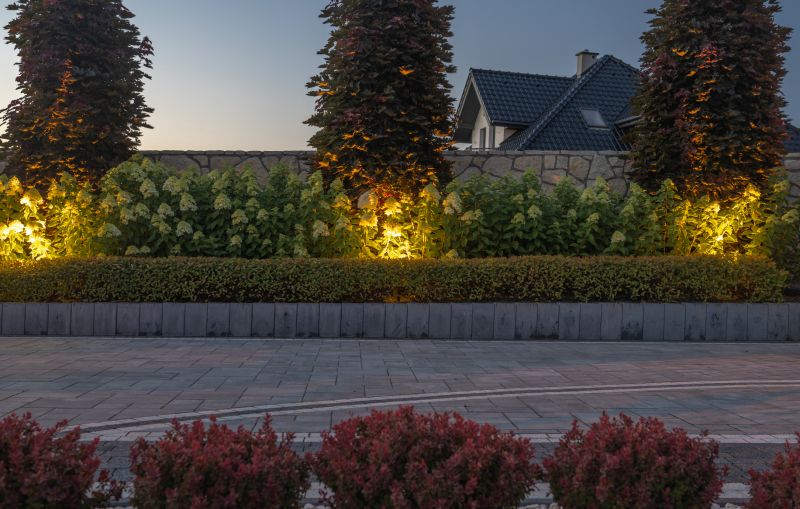
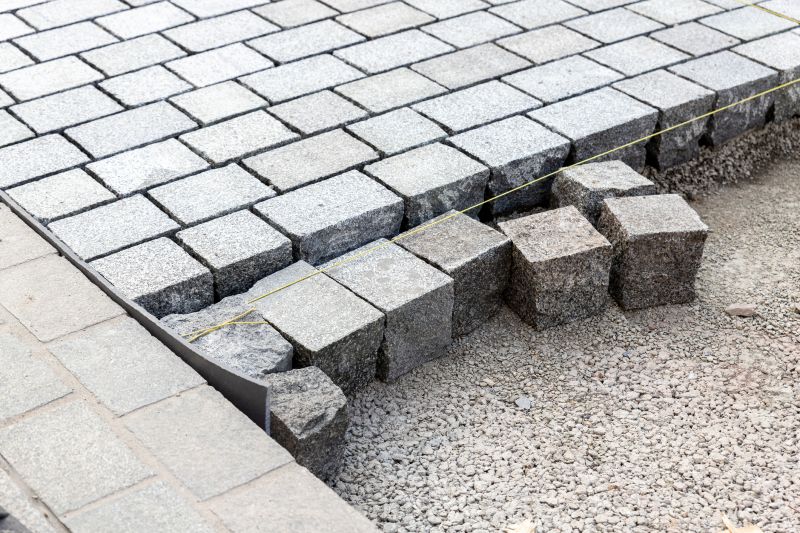
When homeowners search for information on paver driveways vs. concrete driveways: which option lasts longer, they are usually exploring the durability and longevity of these two popular driveway materials. This topic is often linked to plans for installing a new driveway or replacing an aging one that no longer withstands daily use or harsh weather conditions. Many property owners consider factors like how long the driveway will maintain its appearance, resist cracking, and endure foot and vehicle traffic over time. The discussion typically involves residential properties, including single-family homes and small multi-unit complexes, where driveway durability impacts curb appeal and long-term maintenance costs.
This comparison is relevant to property owners who want to make informed decisions about their investment in driveway materials. Problems such as cracking, settling, and surface deterioration are common concerns that influence the choice between paver and concrete driveways. Homeowners often have specific plans, like improving curb appeal or ensuring a safe, smooth surface for vehicles, which makes understanding the lifespan of each material essential. The decision can also be affected by local climate conditions, as certain materials perform better in different weather patterns. Local contractors who specialize in driveway installation or repair are well-equipped to provide insights into which material lasts longer based on these factors.
Paver driveways are generally known for their flexibility and ease of repair, which can contribute to a longer lifespan in some cases. They are composed of individual units that can shift slightly without cracking the entire surface, making them more adaptable to ground movement. Concrete driveways, on the other hand, are often praised for their solid, seamless appearance and straightforward installation. However, they are more prone to cracking over time, especially if ground shifts or temperature changes occur. Property types that often feature these materials include suburban homes with moderate traffic, where durability and appearance are priorities, and homeowners want a surface that can withstand years of use with minimal issues.
Local service providers who specialize in driveway installation and repair play a key role in helping homeowners determine which option will last longer based on their specific property and needs. These professionals can assess factors such as soil conditions, climate, and usage patterns to recommend the best material choice. They also have the expertise to properly install either paver or concrete driveways, ensuring that the chosen surface maximizes its lifespan. For property owners seeking a durable, long-lasting driveway, consulting with experienced local contractors can provide valuable guidance and help set realistic expectations about how each material performs over time.
Paving stone installation - skills in preparing surfaces and laying durable materials are essential for both paver driveways and other hardscape projects like patios and walkways.
Concrete pouring and finishing - expertise in concrete work applies to various flatwork projects such as garage floors, slabs, and foundation pads.
Site preparation and grading services - proper planning and leveling are crucial for long-lasting driveways, retaining walls, and landscape paving projects.
Drainage system installation - designing effective drainage solutions is important for driveways, parking areas, and outdoor surfaces to prevent water damage.
Outdoor surface repair and restoration - skills in repairing cracks and damage are relevant for maintaining both paver and concrete driveways over time.
Landscape and hardscape planning - creating cohesive outdoor spaces involves planning and installing various paved surfaces similar to driveway projects.
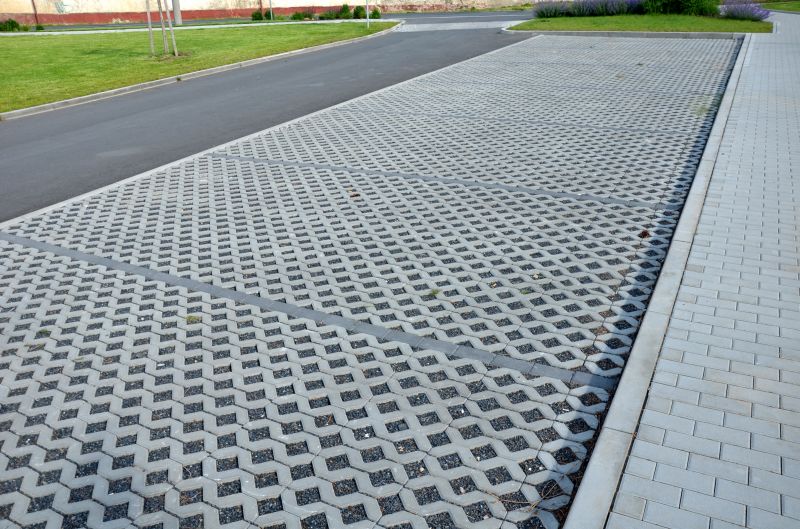
When comparing paver driveways to concrete driveways in terms of durability and longevity, it is important to evaluate the experience of local contractors with similar projects. Contractors who have handled multiple paver installation jobs can provide insights into the specific challenges and best practices associated with paver driveways, such as proper base preparation and joint filling. Similarly, those with extensive concrete experience will understand the nuances of pouring, curing, and maintaining a concrete surface to maximize its lifespan. Asking potential service providers about their previous work on driveway projects can help determine their familiarity with the materials and techniques that contribute to a longer-lasting driveway.
Clear written expectations are essential when choosing between paver and concrete driveways. Reputable local contractors should be able to outline the scope of work, including surface preparation, installation processes, and ongoing maintenance considerations. A detailed project outline can help clarify how each option may perform over time, especially when it comes to issues like cracking, shifting, or settling. Ensuring that the contractor communicates these expectations transparently allows homeowners to better understand what is involved and how durability factors into the overall lifespan of the driveway.
Reputable references and effective communication are key indicators of a contractor’s reliability and quality of work. Homeowners should seek out providers who can furnish examples of completed driveway projects and be willing to answer questions about the longevity of paver driveways versus concrete driveways. Good communication ensures that homeowners can discuss concerns, ask about maintenance requirements, and understand the factors that influence how long each type of driveway will last. By focusing on contractors with solid references and clear, consistent communication, homeowners can make more informed decisions about which driveway option will best meet their long-term needs.
Property owners often search for paver driveways vs. concrete driveways: which option lasts longer when they are planning practical projects around their homes and businesses. Local pros provide Paver Driveway Installation services for everyday jobs and straightforward project options.
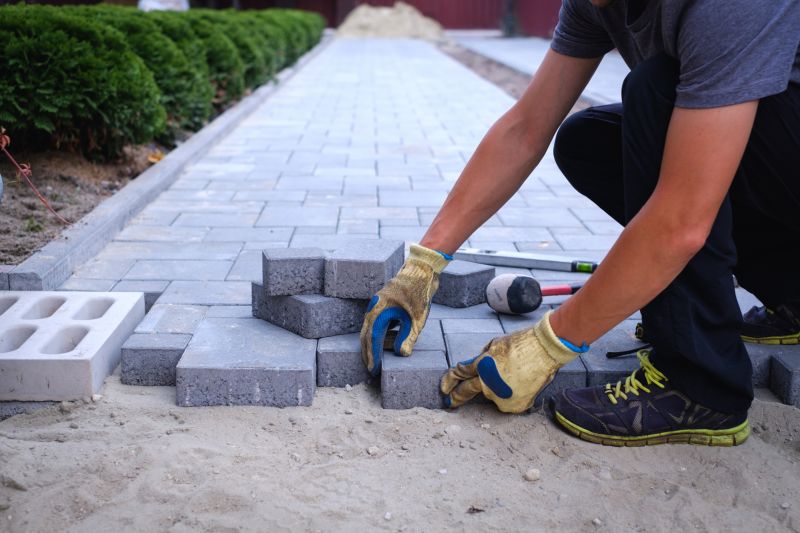
When property owners consider installing a new driveway, durability is often a top concern. Paver driveways are known for their ability to withstand shifting ground and minor settling without cracking, thanks to their flexible design and interlocking system. On the other hand, concrete driveways tend to be more rigid, making them more susceptible to cracking over time, especially in areas with significant temperature fluctuations or soil movement. Homeowners in the area searching for a long-lasting solution might turn to local contractors who specialize in paver installation, as they can provide options that are resilient and easier to repair if issues arise down the line.
Many property owners weigh the longevity of paver driveways versus concrete driveways when planning their projects. Pavers often last longer because individual units can be replaced if damaged, rather than having to redo the entire surface. Concrete, while initially durable, can suffer from surface cracks that may require extensive repairs or replacement after many years. Local service providers experienced in paver installation can help property owners understand how these materials perform over time and recommend solutions that maximize driveway lifespan, ensuring a durable and attractive surface for years to come.
How does the durability of paver driveways compare to concrete driveways? Paver driveways are often more durable because individual pavers can withstand shifting and minor damage without affecting the entire surface, whereas concrete can crack over time due to settling or temperature changes.
Which driveway option tends to last longer with proper installation? When installed correctly, paver driveways generally last longer than concrete driveways, as pavers can be replaced individually, reducing the need for complete surface replacement.
Are paver driveways more resistant to cracking than concrete driveways? Yes, paver driveways are less prone to cracking because they are made of flexible materials that can move slightly with ground shifts, unlike concrete which is more rigid and susceptible to cracking.
Can maintenance affect the lifespan of paver versus concrete driveways? Regular maintenance, such as resealing pavers and repairing joints, can extend the lifespan of paver driveways, while concrete may require patching and sealing to prevent deterioration over time.
What should be considered when choosing between paver and concrete driveways for longevity? Factors such as soil conditions, climate, and the quality of installation by local contractors influence longevity; pavers often provide easier repairs and replacement, contributing to a longer-lasting driveway overall.
Durability comparison - Property owners can explore how paver driveways and concrete driveways hold up over time in their climate, with local contractors providing insights on installation quality.
Maintenance considerations - Homeowners can plan for upkeep by understanding how each option responds to cracking or shifting, with local service providers offering guidance on repairs and longevity.
Material resilience - Property owners can evaluate which driveway type better resists wear and tear from daily use, with local pros helping select the most durable materials for their needs.
Long-term value - Homeowners can consider which driveway option offers longer-lasting performance, with local contractors advising on construction methods that extend lifespan.
If you are thinking about paver driveways vs. concrete driveways: which option lasts longer for a property, this guide is meant to help you understand this topic, the typical project types, and how different options might fit your plans.
When you are ready, you can use the quote form on this page to share a few details about your project. From there, local pros can review the basics and follow up with options that match what you have in mind.